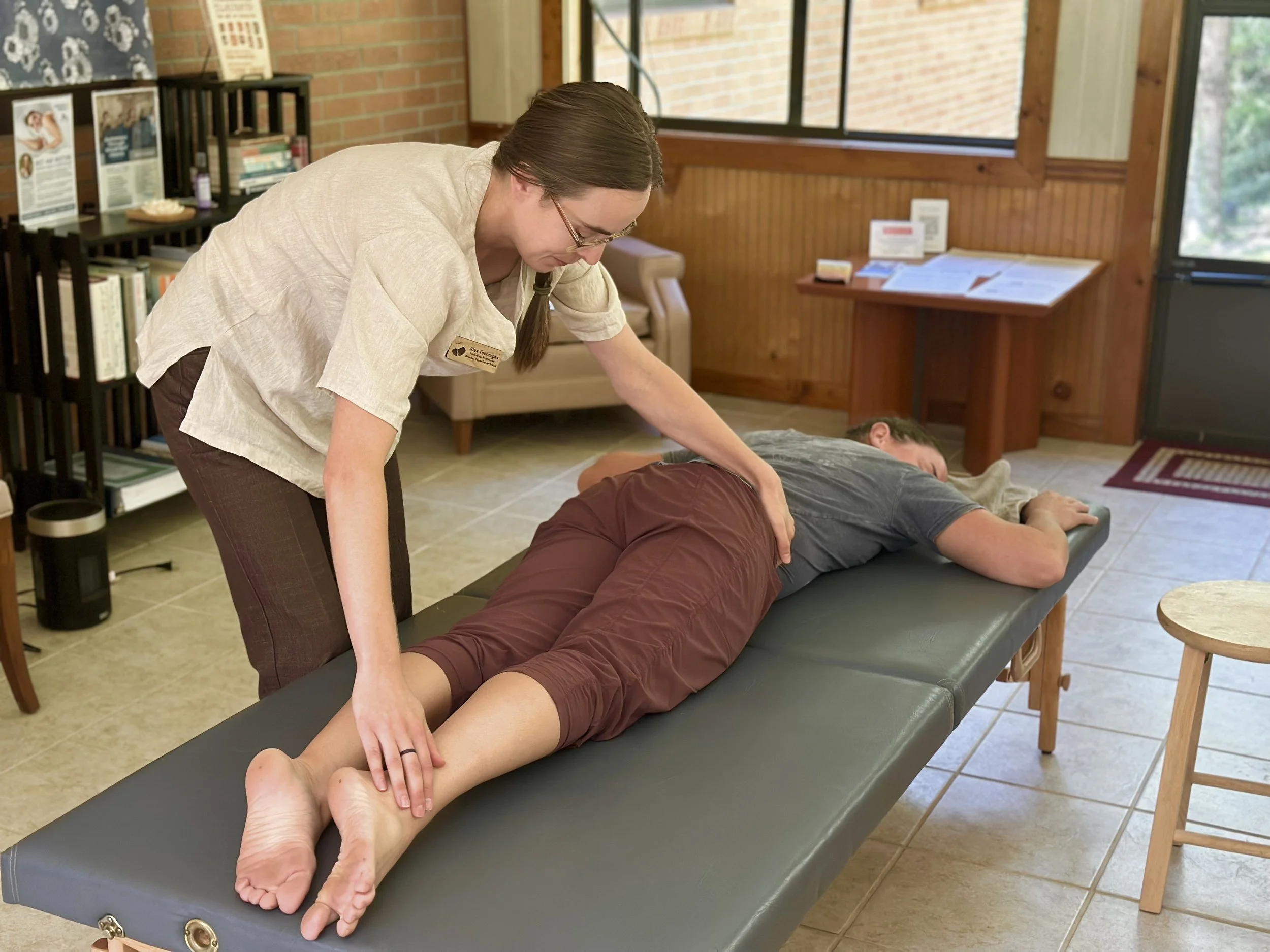
Gentle Somatic Movement in Western North Carolina & Online
Feel Safe and at Ease in Your Body Again — Without Effort-ing, Explaining, or Pushing Through
Somatics: 1) relating to the body; 2) a field of body-mind and movement studies focused on sensing and experiencing your body from the inside out
Move Without Pushing: Feldenkrais® for Autistic/ADHD Burnout & Chronic Illness
Free & Online. Rescheduled for Tuesday, Oct. 6
2-3 pm Eastern U.S. / 11am-noon Pacific U.S. / 8-9pm Central Europe
A free gentle somatic movement workshop for burnout, chronic pain, hypermobility, body awareness, & nervous system regulation.
Whether you’re neurodivergent, dealing with burnout or chronic illness, or just curious, this workshop will help you learn more about the Feldenkrais Method® of somatic movement for neurodivergent folks and people with chronic illness and help you feel more safety, ease, and comfort in your body.
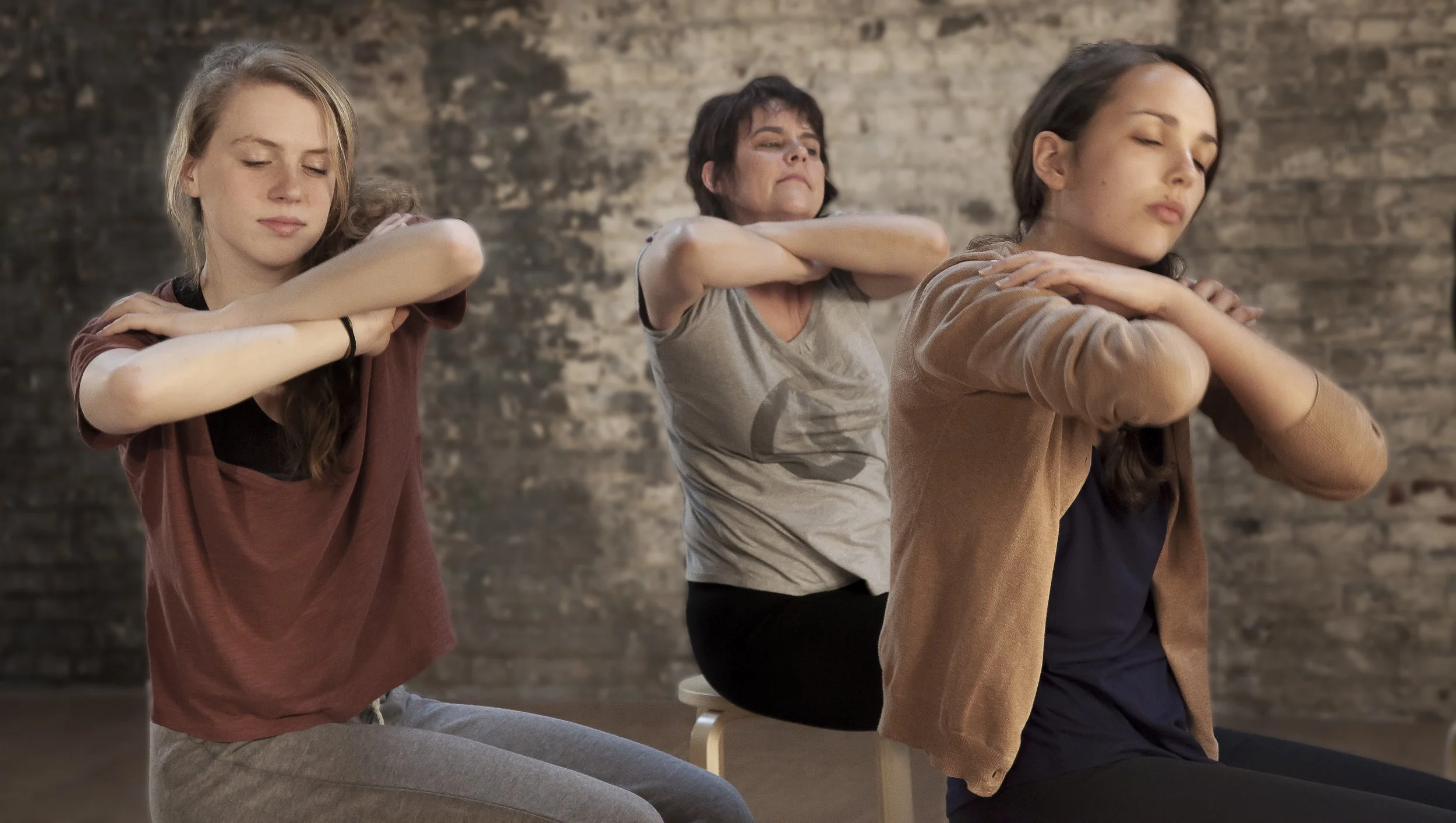
This is a bottom-up, non-verbal approach that works with the way your brain learns, so you can feel what’s happening as it’s happening and make choices that actually work for you. You’ll learn to find more support from your skeleton, so your muscles don’t have to do all the work.
Format: Online. Intro + 35-minute guided Awareness Through Movement® lesson (no experience needed) + space for questions & community connections.
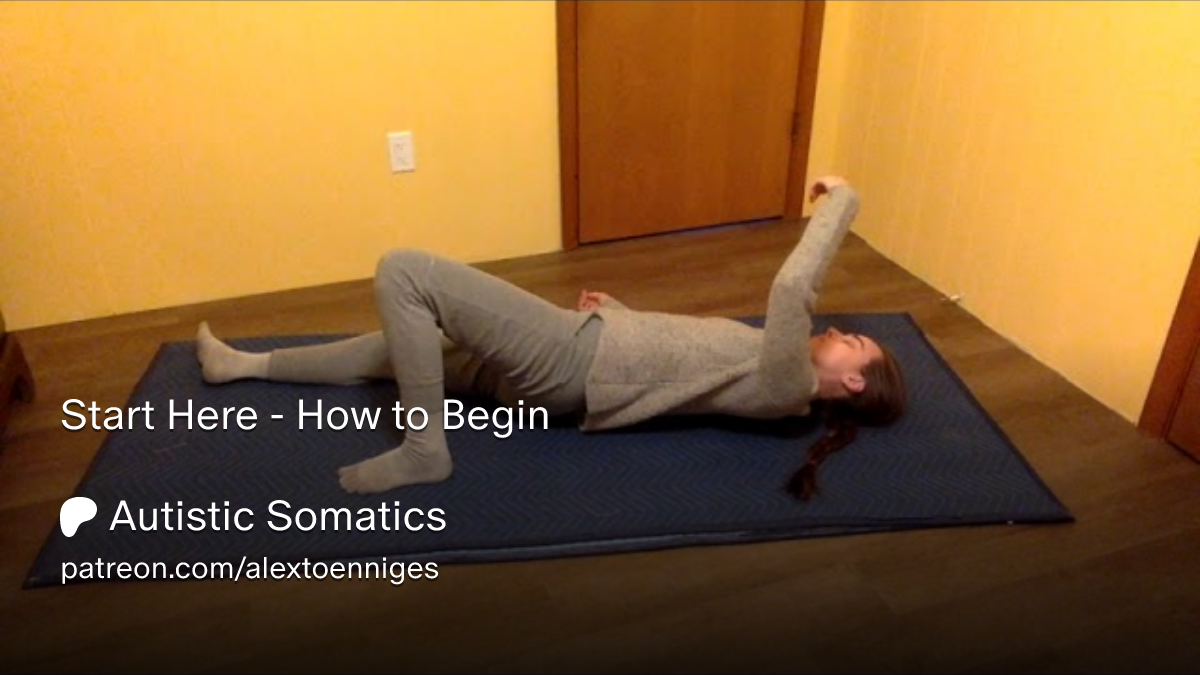
You lie on a mat or sit in a chair, and a certified teacher guides you through small, slow movements to explore your movement patterns and discover new options. There’s no stretching, exercise, or positions to hold, and everything is adaptable for all bodies and energy levels.
“Alex brings an inspiring level of clarity, curiosity, inclusivity and invitation. With skill and humility, she holds compassionate space for all bodies.” – Kasey
“I have been healing rheumatoid arthritis for 18.5 years and was amazed to find more comfort and ease in my body after working with Alex.” – Alegra-Ray
I support sensitive & neurodivergent adults, people living with complex chronic illness, musicians & performing artists — using gentle, non-verbal somatic movement so you can feel what’s happening as it’s happening and make choices that actually work for you.
You don’t need to try harder.
You don’t need better words.
You don’t need to fix yourself.
An easier way is possible.
Online and in-person near Asheville, NC
Free Mini-Course
5 emails, sent over 1.5 weeks
each with a 3-5 minute video of a somatic movement experiment to help you feel more safety, ease, and comfort in your body
Specialties
Burnout, delayed interoception, alexithymia, unmasking — support that doesn't rely on talking, willpower, or pushing through.
Long Covid, POTS, ME/CFS, EDS, fibromyalgia, MCAS, mold illness— support that works with your energy envelope, not against it.
Pain, tension, performance anxiety — play with ease, perform with confidence, expand your sound.
Don’t fit in one of these categories? You are welcome here too!
While these are my specialties, I work with all kinds of people.
Online Lesson Library
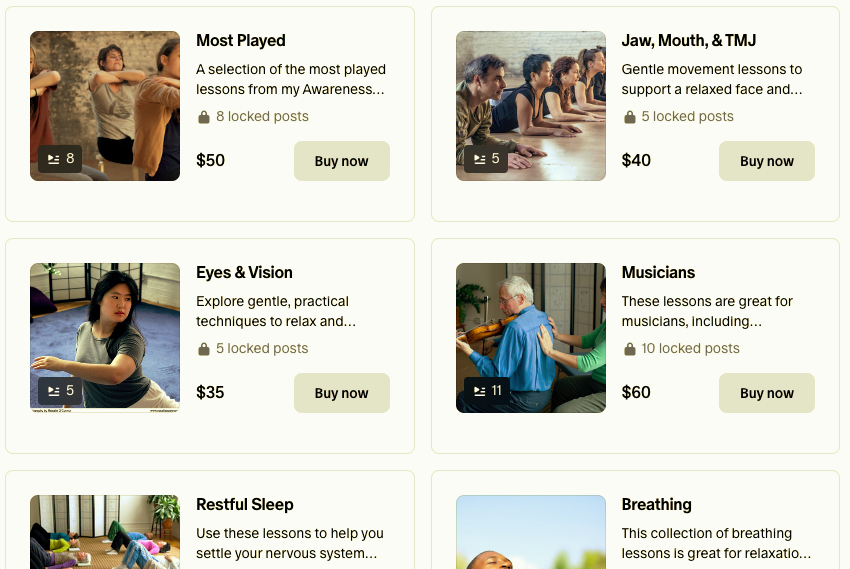
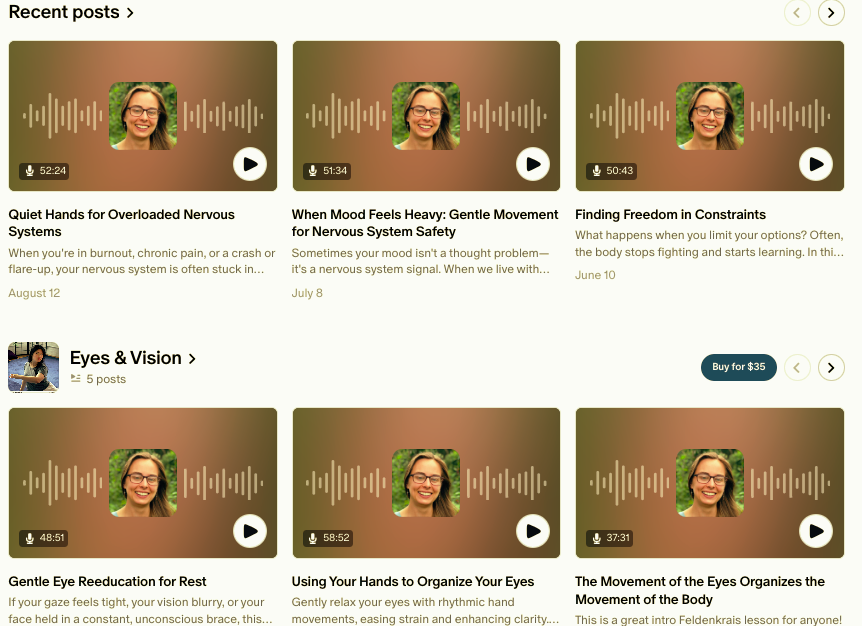
85+ gentle Awareness Through Movement® lessons you can do anytime at home
New lessons added regularly
Free lessons available always & free membership trial
Buy any collection once, OR subscribe monthly for access to everything.
Start today, or whenever you’re ready
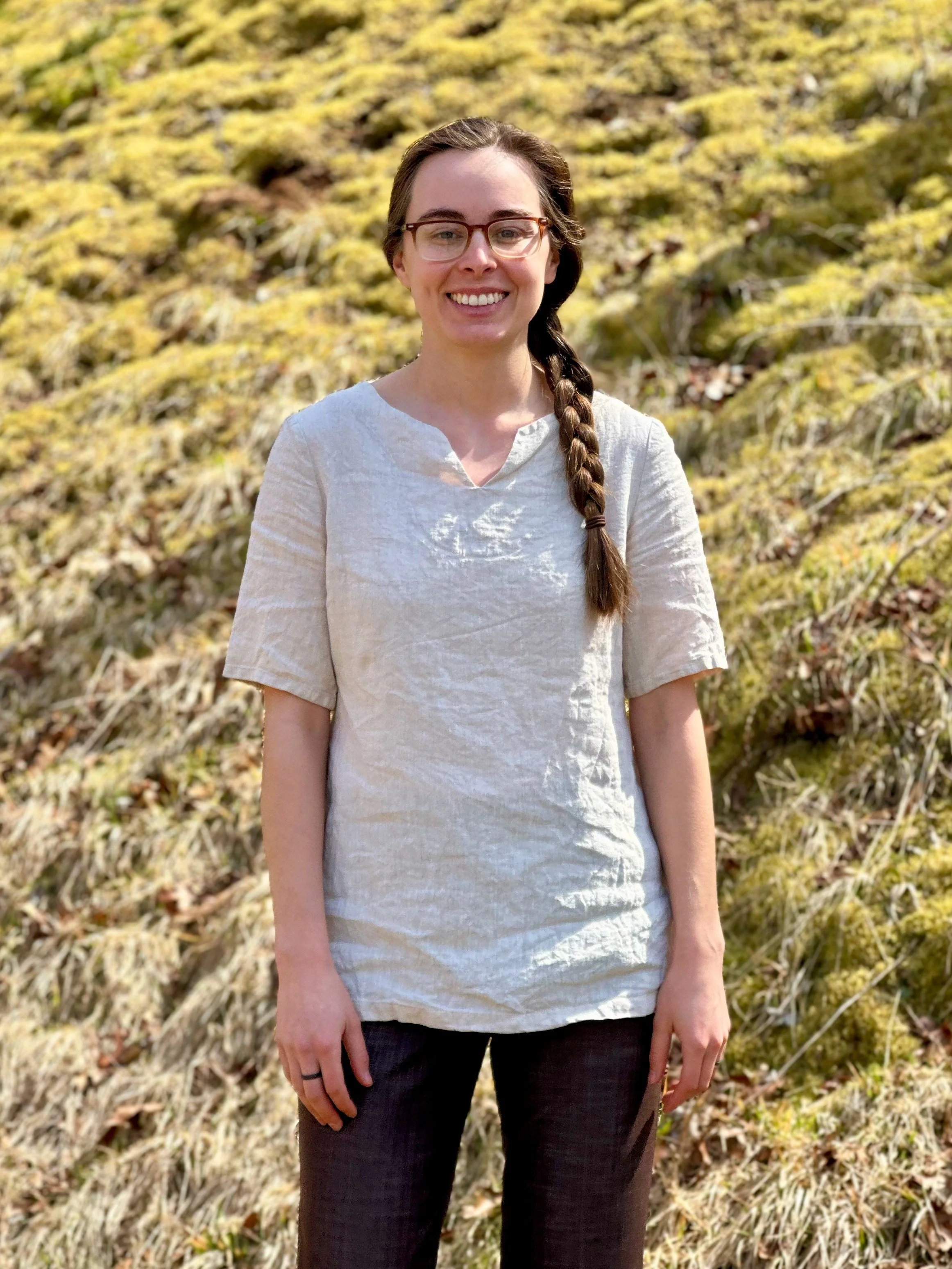
Hi, I’m Alex.
I’m a queer, autistic-ADHD Feldenkrais® Practitioner with a background in classical music and lived experience of complex chronic illness and late-identified neurodivergence.
I created this work because I needed it — and because too many people are asked to explain themselves instead of given proper support.
I don’t diagnose, treat, or fix.
I create conditions for safety, curiosity, and learning — so your nervous system can do what it already knows how to do.
Support options, without pressure
All options are:
Trauma-informed
LGBTQIA2S+ affirming
Adaptable for chronic illness, hypermobility, and fluctuating energy
Designed to reduce masking, not require it
You can explore details at your own pace.
One-to-one somatic movement sessions
Group somatic movement classes
An online lesson library for self-paced learning
I’m here to support you, if and when it feels right
There’s no rush.
No obligation.
No sales pressure.
You’re welcome to explore, read, or reach out — only if and when it feels supportive.