Gentle Somatic Support for Complex Chronic Illness
including Long Covid, POTS, ME/CFS, EDS, & Fibromyalgia
Feel Safe and at Ease in Your Body Again — Without Effort-ing, Explaining, or Pushing Through
Somatics: 1) relating to the body; 2) a field of body-mind and movement studies focused on sensing and experiencing your body from the inside out
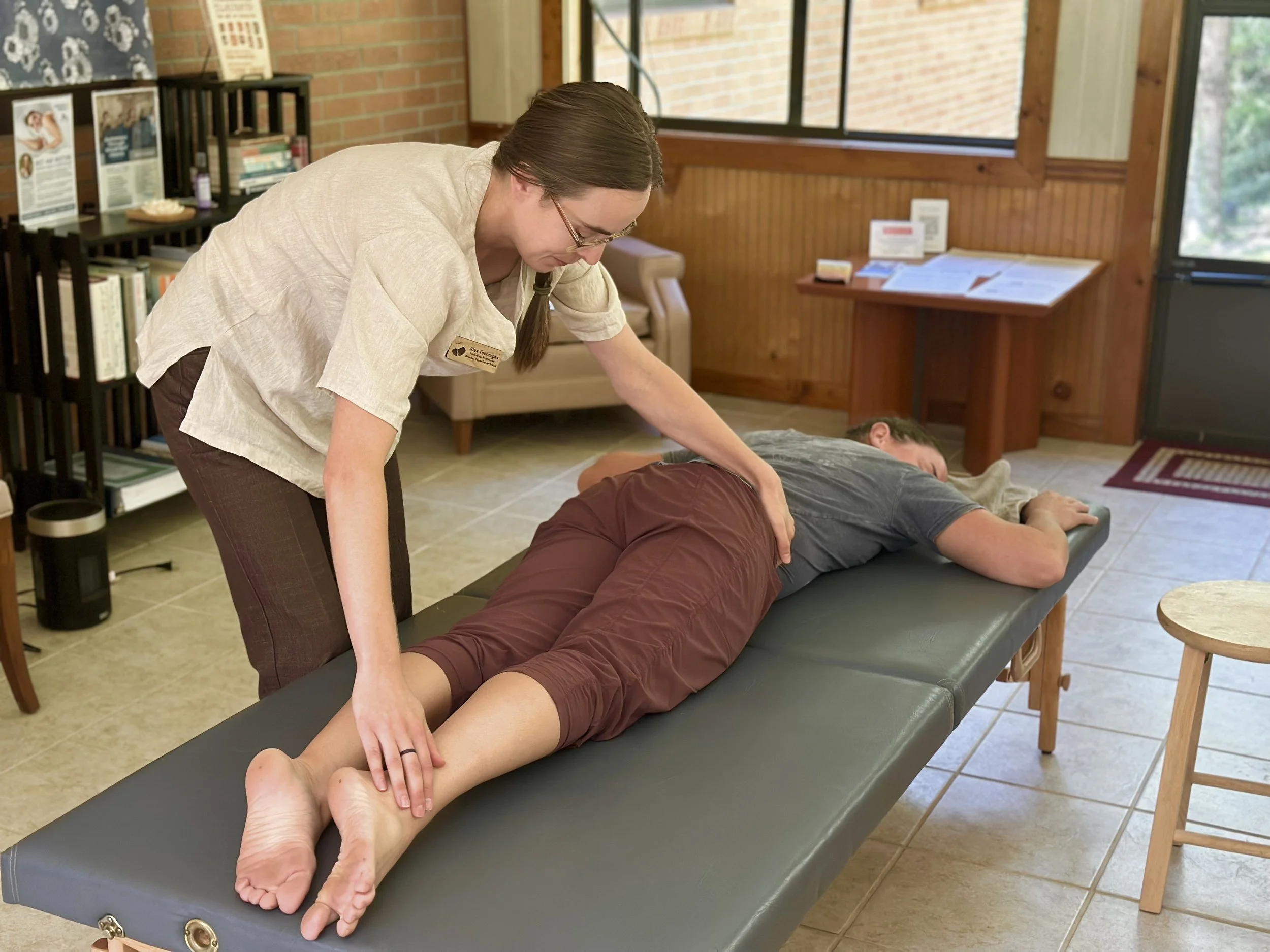
I support adults living with complex chronic illness — chronic fatigue, hypermobility, dysautonomia & nervous system dysfunction, and chronic pain — using gentle, non-verbal somatic movement, so you can feel more supported in your body and find ease without triggering a crash.
You don't need to push harder.
You don't need to "stay positive."
You don't need to earn your rest.
An easier way is possible.
Online and in-person near Asheville, NC
If you’ve been told “you’re doing fine” — but your body says otherwise
Many people with complex chronic illness don't struggle because they lack motivation or resilience.
They struggle because:
Traditional exercise and physical therapy often makes them worse, not better
They're caught in cycles of boom and bust — overdoing it on good days, crashing on the bad ones
Their nervous system is stuck in overdrive, unable to fully access rest and recovery
Years of bracing, guarding, and compensating have become so habitual they feel normal
They've been gaslit by the medical system, told it's "just anxiety" or "all in their head"
They live with the exhaustion of navigating a body that feels unpredictable and unreliable
If this sounds familiar, there is nothing wrong with you.
This is what nervous system dysregulation, chronic bracing, and the accumulated toll of living with complex illness can look like — and there are gentle ways to work with it.
You might be in the right place if…
Traditional exercise, stretching, or "push through it" approaches have made you worse
You live with hypermobility or EDS and struggle with joint instability, pain, or proprioception
You have ME/CFS or post-exertional malaise (PEM) — activity that should be fine leaves you crashed
You have POTS or dysautonomia and positional changes feel overwhelming
You have fibromyalgia and touch, movement, or pressure feels risky or painful
You live with chronic GI distress or ARFID and your digestion seems tied to your nervous system
You're exhausted from bracing and holding yourself together all day, every day
You've been told to "manage stress" but no one has shown you how — in a way that actually works for your body
You want something that respects your energy envelope, not another thing that demands more of you
Self-identification is always valid. No diagnosis required. No medical records needed.
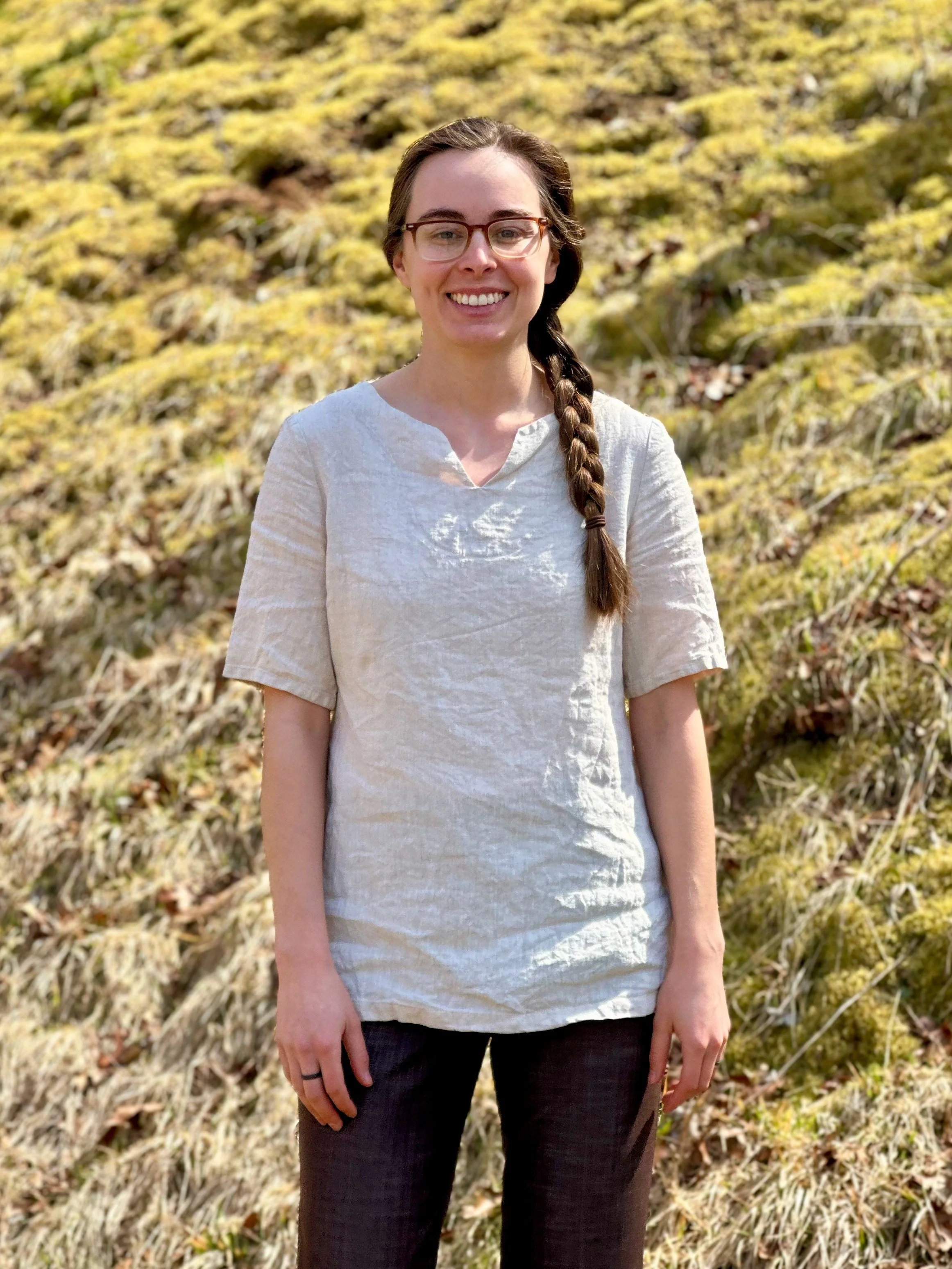
Hi, I’m Alex.
I’m a queer, autistic-ADHD Feldenkrais® Practitioner with with lived experience of long covid, POTS, asthma, ARFID, mast cel activation, and late-identified neurodivergence.
I understand what it's like to live in a body that's sensitive, complex, and sometimes unpredictable. When my capacity suddenly dropped after COVID, I learned firsthand how terrifying it is to lose trust in your own body — and how isolating it is when the medical system doesn't have answers.
I created this work because I needed it. Because too many people with complex illness are told to try harder when what they actually need is to feel safer.
I don’t diagnose, treat, or fix.
I create conditions for safety, curiosity, and learning — so your nervous system can do what it already knows how to do.
Support that works with your body, not against it
Autistic Somatics uses gentle, awareness-based movement lessons from the Feldenkrais Method®.
Learn what safety vs. danger feels like — and why that matters for healing
Reduce the "cost of living" — unconscious bracing and tension that drains energy 24/7
Improve proprioception (your sense of where your body is in space)
Find more supported, efficient ways to move that don't trigger flare-ups
Calm the stress response that keeps your body in fight-or-flight
Create the conditions for "rest and digest" — the state your body needs to repair
This is a bottom-up, non-verbal approach — designed for moments when:
Thinking about your symptoms makes them worse
Your energy is too low for traditional therapy or exercise
You need something that meets you exactly where you are — even in a crash
What This Is Not
No stretching, straining, or exercise
No forcing or fixing
No "correct" posture to remember
No pressure to explain or justify your experience
No requirement to "do it right"
You only do what feels easy — and if that means doing a movement only in your imagination, that counts. Your nervous system learns from imagination the same way it learns from movement.
Your body learns naturally from there.
When your body feels safer, everything costs less energy
Complex illness often comes with a nervous system stuck on high alert.
That chronic activation means:
Digestion slows or shuts down
Sleep doesn't restore
Muscles stay braced even at rest
Healing and repair take a back seat to survival mode
Every activity costs more energy than it should
This work helps your nervous system learn that it's safe to let go — even a little.
That safety is where recovery, repair, and ease begin.
Not a cure. Not a quick fix. A different relationship with your body — one built on curiosity instead of fear.
Sometimes the hardest part of getting help isn't the work itself, but finding someone who actually gets it
An occupational therapist? A physical therapist? A pain specialist? A gastroenterologist? A rheumatologist? A whole team that doesn't talk to each other?
In the process, care often gets fragmented, and people get treated as a list of symptoms instead of as whole humans.
I offer a different approach. I'm not boxed in by insurance codes or rigid scopes of practice, and I'm not trying to fit you into a diagnostic category. We start with you, as a human, and work in the ways we genuinely can while being honest about the limits of my expertise.
Your challenges are connected, and your care can be too.
This work is not a medical treatment and is not a substitute for medical care. It is a somatic education practice designed to support your nervous system, reduce the strain of existing patterns, and help you find a more sustainable baseline — often complementing the medical care you're already receiving.
What people often notice over time
“I was relaxed for the first time in months.”
“The movement was so easy — I couldn’t help but smile.”
“The good feeling lasted longer than most other bodywork I’ve tried.”
Feeling calmer and more grounded day to day
Recognizing pain or overwhelm earlier — before the crash
Fewer flare-ups after ordinary activities
Trusting what your body is communicating
Moving with less effort and strain
Breathing more freely
Having more energy available because less is going to chronic tension
Making decisions based on your body's actual needs — not on guilt or "shoulds"
Feeling moments of ease, pleasure, or even happiness again
Support options, without pressure
All options are:
Trauma-informed
LGBTQIA2S+ affirming
Adaptable for chronic illness, hypermobility, and fluctuating energy
Designed for days when you have very little to give — and days when you have more
You can explore details at your own pace.
Support is available in three different formats, depending on your energy, needs, and preferences.
3 formats to choose from:
One-to-one somatic movement sessions
Group somatic movement classes
An online lesson library for self-paced learning
I’m here to support you, if and when it feels right
There’s no rush.
No obligation.
No sales pressure.
You’re welcome to explore, read, or reach out — only if and when it feels supportive.