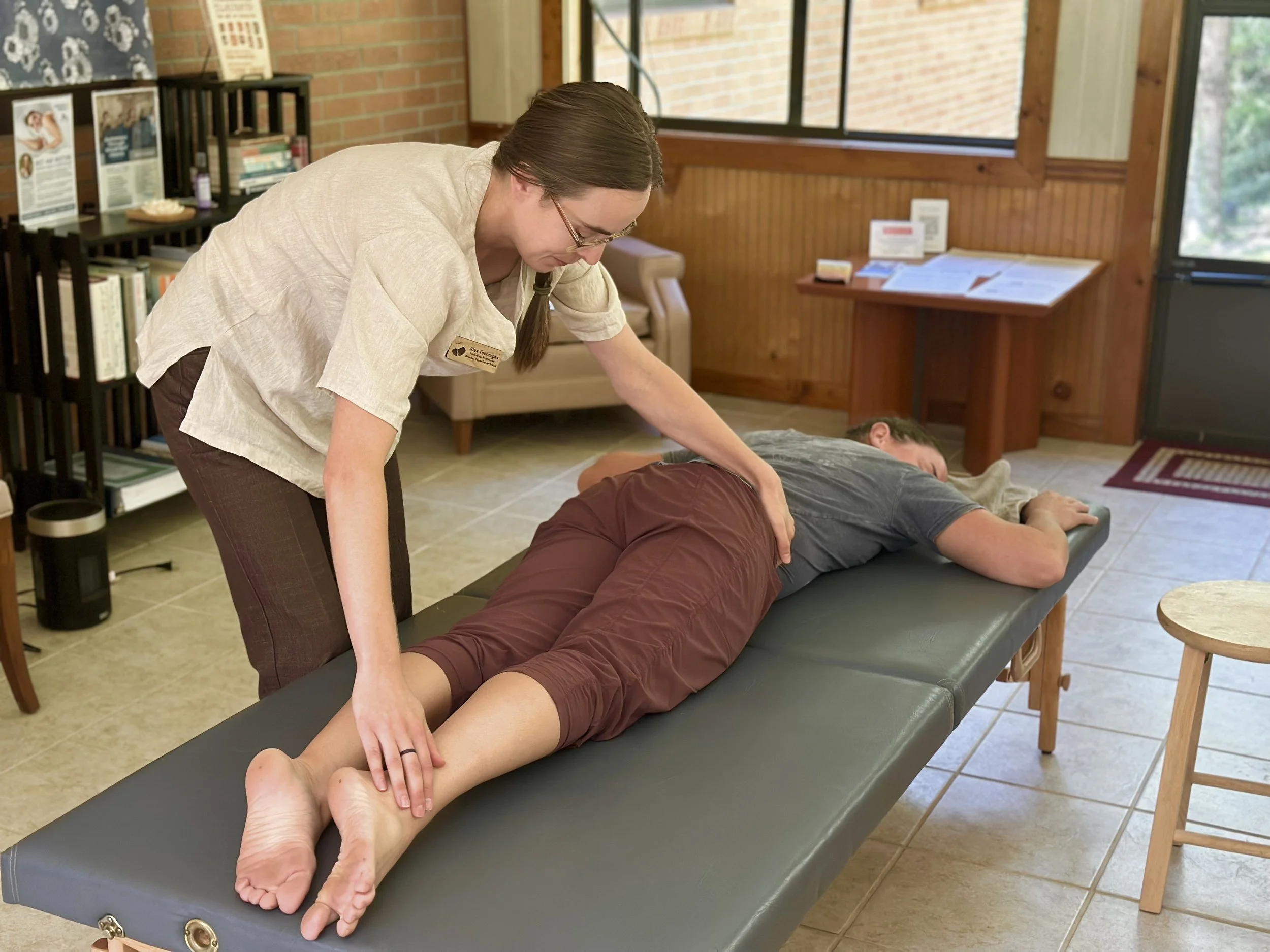
Gentle Somatic Support for Late-Identified Autistic Adults
Feel Safe in Your Body Again — Without Effort-ing, Explaining, or Pushing Through
I support late-identified autistic adults living with burnout, chronic pain, and nervous system overload using gentle, non-verbal somatic movement — so you can feel what’s happening as it’s happening and make choices that actually work for you.
You don’t need to try harder.
You don’t need better words.
You don’t need to fix yourself.
An easier way is possible.
Sometimes the hardest part of getting help isn’t the work itself, but figuring out who you’re supposed to see.
An occupational therapist? A talk therapist? A physical therapist? A doctor? A whole team that doesn’t talk to each other?
In the process, care often gets fragmented, and people get treated as parts instead of as whole humans.
I offer a different approach. I’m not boxed in by insurance codes or rigid scopes of practice, and I’m not trying to fit you into a category. We start with you, as a human, and work in the ways we genuinely can while being honest about the limits of my expertise.
Your challenges are connected, and your care can be too.
If you’ve been told “you’re doing fine” — but your body says otherwise
Many autistic adults don’t struggle because they lack insight or effort.
They struggle because:
They don’t feel stress, pain, or overwhelm until after it’s too late
They understand what went wrong hours or days later
They’re expected to explain feelings they can’t yet sense
They’ve learned to be polite instead of protected
If this sounds familiar, there is nothing wrong with you.
This is what delayed interoception, alexithymia, and long-term masking can look like — especially for people identified later in life.
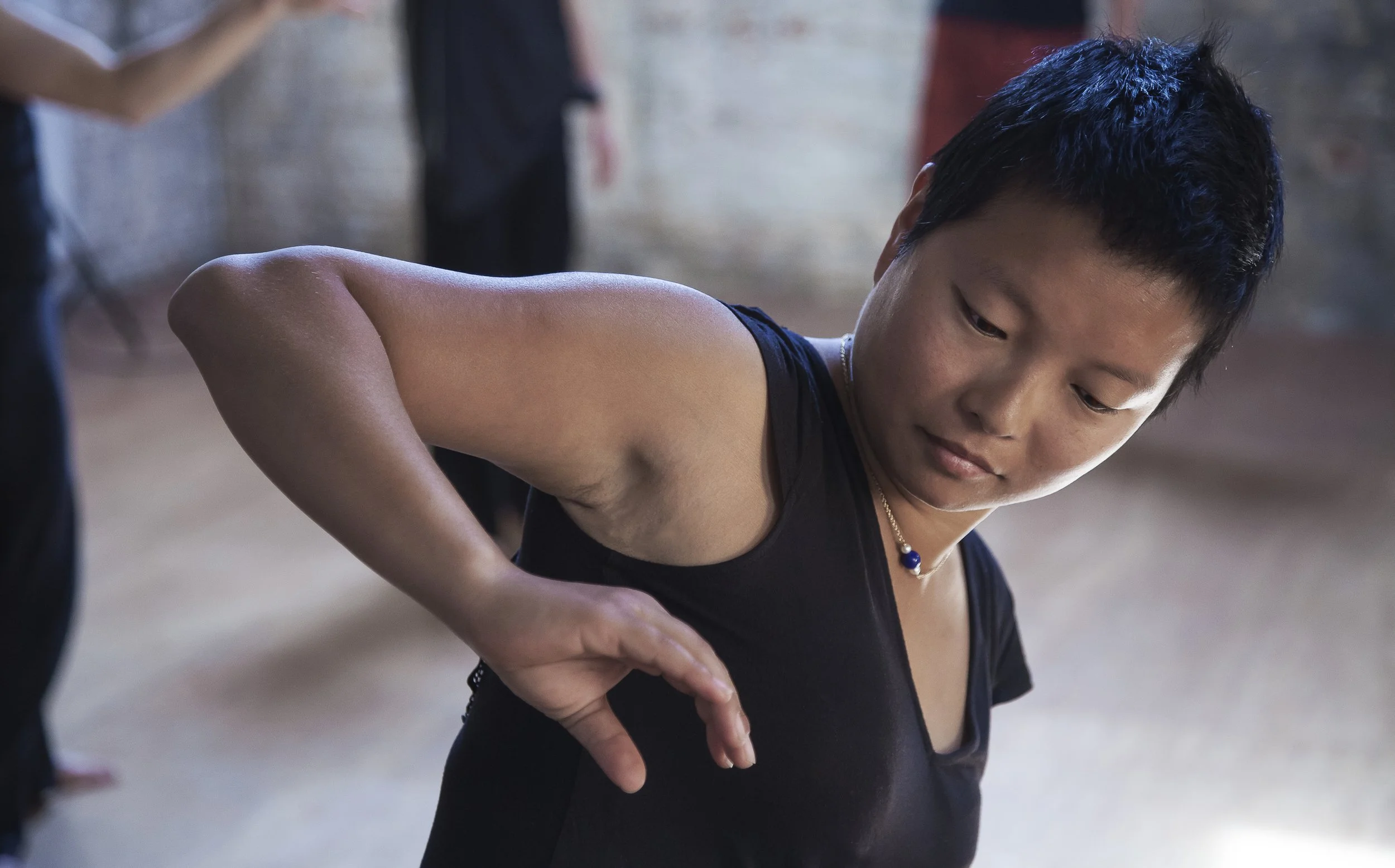
You might be in the right place if…
You can tell a meltdown or shutdown is coming, but not why
You don’t realize you’re in pain, overwhelmed, or exhausted until after the crash
You feel other people’s emotions and needs louder than your own
You often respond politely, then later realize something didn’t feel right
You struggle to name emotions or bodily sensations in real time
Meditation, stretching, or talk therapy hasn’t helped — or made things worse
You’re autistic, ADHD, questioning, or self-identified and want non-pathologizing support
You live with burnout, chronic pain, hypermobility, fatigue, sensory overwhelm, or trauma
Self-identification is always valid. No diagnosis required.

Hi, I’m Alex.
I’m a queer, autistic-ADHD (AuDHD) Feldenkrais® Practitioner with lived experience of burnout, ARFID, long covid, asthma, and late identification.
I created this work because I needed it — and because too many autistic adults are asked to explain themselves instead of given proper support.
I don’t diagnose, treat, or fix.
I create conditions for safety, curiosity, and learning — so your nervous system can do what it already knows how to do.
Support that doesn’t rely on talking, willpower, or pushing through
Autistic Somatics uses gentle, awareness-based movement lessons from the Feldenkrais Method®.
This work helps your nervous system:
Learn what stress vs. safety feels like
Improve interoception (body awareness)
Reduce pain and flare-ups
Restore choice, consent, and agency in movement and daily life
This is a bottom-up, non-verbal approach — designed for moments when:
Words don’t come
Thinking makes things worse
Effort leads to shutdown
What This Is Not
No stretching, straining, or exercise
No forcing or fixing
No “correct” posture to remember
No pressure to explain how you feel
You only do what feels easy.
Your nervous system learns naturally from there.
When you can feel sooner, you can choose sooner
Many autistic adults are not unaware — they’re late aware.
That delay can mean:
Staying in unsafe situations too long
Missing chances to set boundaries
Making decisions without knowing what you want
Living in cycles of burnout and recovery
This work helps shorten the gap between:
what’s happening and your ability to respond.
That gap is where safety, consent, and self-advocacy live.
What people often notice over time
“I was relaxed for the first time in months.”
“The movement was so easy — I couldn’t help but smile.”
“The good feeling lasted longer than most other bodywork I’ve tried.”
Feeling calmer and more grounded day to day
Recognizing overwhelm or pain earlier
Trusting what your body is communicating
Fewer crashes and flare-ups
Making decisions based on your own needs — not just politeness
Feeling moments of ease, pleasure, or even happiness again
Returning to activities you care about, at your pace
Support options, without pressure
All options are:
Trauma-informed
LGBTQIA2S+ affirming
Adaptable for chronic illness, hypermobility, and fluctuating energy
Designed to reduce masking, not require it
You can explore details at your own pace.
Support is available in three different formats, depending on your energy, needs, and preferences.
3 formats to choose from:
One-to-one somatic movement sessions
Group somatic movement classes
An online lesson library for self-paced learning
I’m here to support you, if and when it feels right
There’s no rush.
No obligation.
No sales pressure.
You’re welcome to explore, read, or reach out — only if and when it feels supportive.